Boxing for Fitness: Why More People Are Training Like Fighters
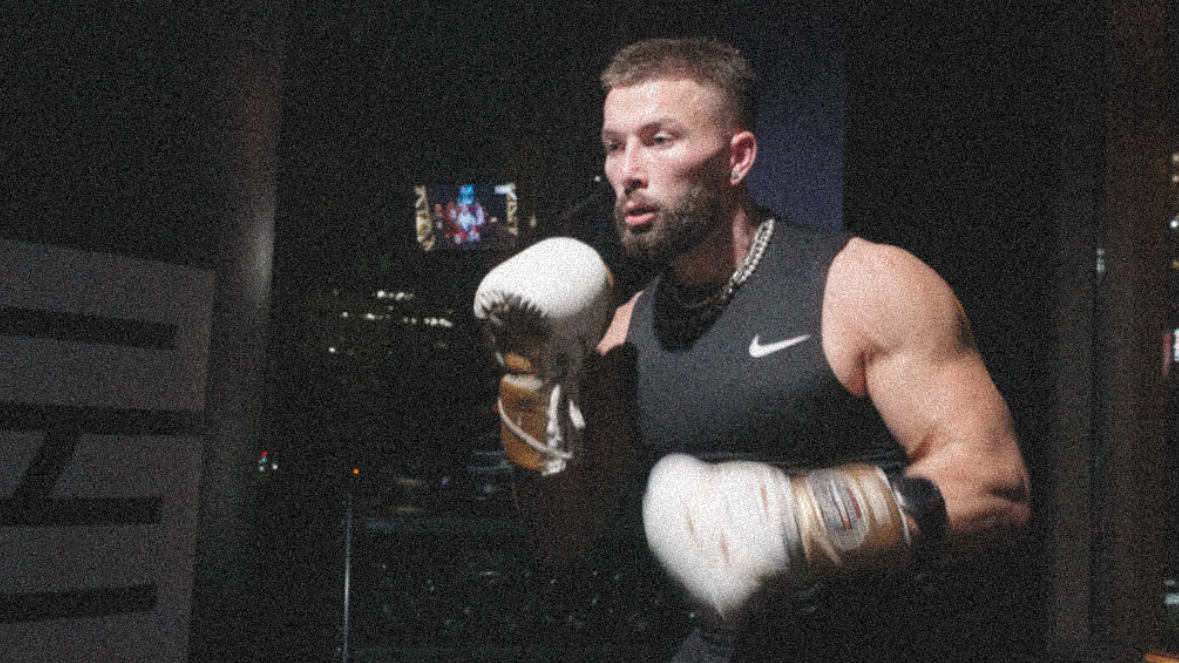
There's a reason more people are stepping into the ring — even the ones with no interest in ever sparring.
Boxing for fitness has grown into one of the most effective — and most engaging — ways to train. Not because it makes you a fighter, but because it builds almost every physical quality that matters: strength, endurance, coordination, power, and mental focus. All in one session.
If you've been stuck doing the same lifting routine, or if you've tried traditional cardio and just can't make yourself stick with it, boxing might be the missing piece. Here's what it actually involves, who it's right for, and what a session looks like when you train with me in Bellevue.
What Boxing Training Actually Builds
Ask most people what boxing is, and they'll say "cardio." That's part of it — but it's probably the least interesting part.
What boxing actually builds is harder to describe in a single word. A good boxing session develops:
- Full-body conditioning — not just legs or lungs. Throwing a clean combination recruits your core, legs, hips, shoulders, and grip simultaneously. The demand is unlike anything you get from a machine.
- Coordination and footwork — the kind of athleticism most adults stop training in their 20s. Boxing forces you to move your feet, rotate your hips, and land punches in sequence. Even a few months of work noticeably changes how you move.
- Power and explosiveness — proper punching is a rotational movement that generates power from the ground up. It's the same chain you'd use in a swing, a kick, or any athletic movement. Training it transfers.
- Mental focus — you can't zone out during a round. You're reading combinations, adjusting timing, keeping your hands up, and managing your breathing. It's physical training that also forces you to be present in a way most workouts don't.
- Confidence and discipline — this one is harder to measure, but every client who trains long enough reports it. Knowing how to throw a proper punch, move under pressure, and push through a hard round changes how you carry yourself outside the gym too.
The short version: it's one of the most complete workouts available. And because every round is different, people stay engaged with it in a way they don't with running or machine cardio.
What a Session Looks Like
A boxing session with me follows a consistent structure, whether you've been training for years or you've never thrown a punch in your life.
Warm-up (10–15 minutes). Light movement, mobility work, and shadowboxing to prep your shoulders, hips, and core. We don't skip this — boxing is hard on your joints if your body isn't ready for it.
Technique work. Stance, footwork, basic punches — jab, cross, hook, uppercut — and how to throw them in combinations. If you're new, this is where most of your early sessions will focus. Form comes before power, always.
Pad work. This is where most people fall in love with it. You throw combinations on the mitts, I call the patterns and catch each punch. You get immediate feedback on what's working and what isn't. Pad work is demanding, specific, and genuinely fun — most sessions build around this.
Conditioning rounds. Usually at the back end of the session once technique is dialed in. Heavy bag work, combination drills, or structured conditioning pieces that tie everything together. This is where you'll feel the workout most.
Cooldown. Stretching, breathing, and a brief debrief on what we focused on and what's coming next.
Sessions run 45–60 minutes. Depending on your goals, we can build toward anything — from general conditioning to competitive sparring. But for most clients, the goal is simply to get in the best shape of their life while actually enjoying the process.
Who Boxing Training Is For
Boxing is more accessible than people expect. A few profiles that tend to fit particularly well:
Anyone burned out on traditional cardio. If you've tried running, cycling, or machine-based cardio and it just hasn't stuck, boxing is worth considering. The engagement factor is real.
People who want a full-body workout that transfers. Boxing builds athleticism that shows up outside the ring — better coordination, better movement, and a core that actually gets used.
Strength athletes looking for conditioning that isn't boring. If you lift heavy and hate conditioning work, boxing is a way to build real cardiovascular fitness without spending 30 minutes on a treadmill. It also improves rotational power, which carries back to your lifts. If you're still building that foundation, here's where to start with strength training.
Beginners who want to do something other than lift. You don't need any experience to start. Your first few sessions are all technique and footwork. The fitness comes as the skills develop.
Former athletes who miss training a sport. Boxing scratches the itch that gym workouts can't. You're developing a real skill, not just moving weight around.
Anyone looking for a confidence boost. Learning to throw a proper punch, move under pressure, and handle a hard round changes how you feel in your body. I've seen this with every client who's stuck with it long enough.
If you're not sure whether in-person boxing is your best option, online coaching is another path — though boxing specifically benefits from hands-on feedback, so in-person is usually the better fit.
Boxing Training in Bellevue & the Eastside
I offer one-on-one boxing training in Bellevue for all experience levels. Most of my boxing clients are Eastside professionals who want something more engaging than a gym workout — people from Bellevue, Kirkland, Redmond, Mercer Island, Sammamish, and the surrounding area. No ring required. No prior experience required. Just a willingness to learn and put in the work.
If you already have a home gym setup, boxing can be built into in-home training sessions — all you need is space to move and a pair of mitts, which I bring.
The coaching assessment is the place to start if you're curious whether boxing is the right fit. It's free, it takes five minutes, and there's no commitment. Whether you're brand new to it or getting back into it after years away, we'll figure out where you are and what makes sense from there.
More posts

Wedding Fitness: How to Get in Shape for Your Big Day
A realistic guide to wedding fitness — how much time you actually need, why strength training beats crash dieting, and what a four-month plan looks like when you want to feel your best on the day.
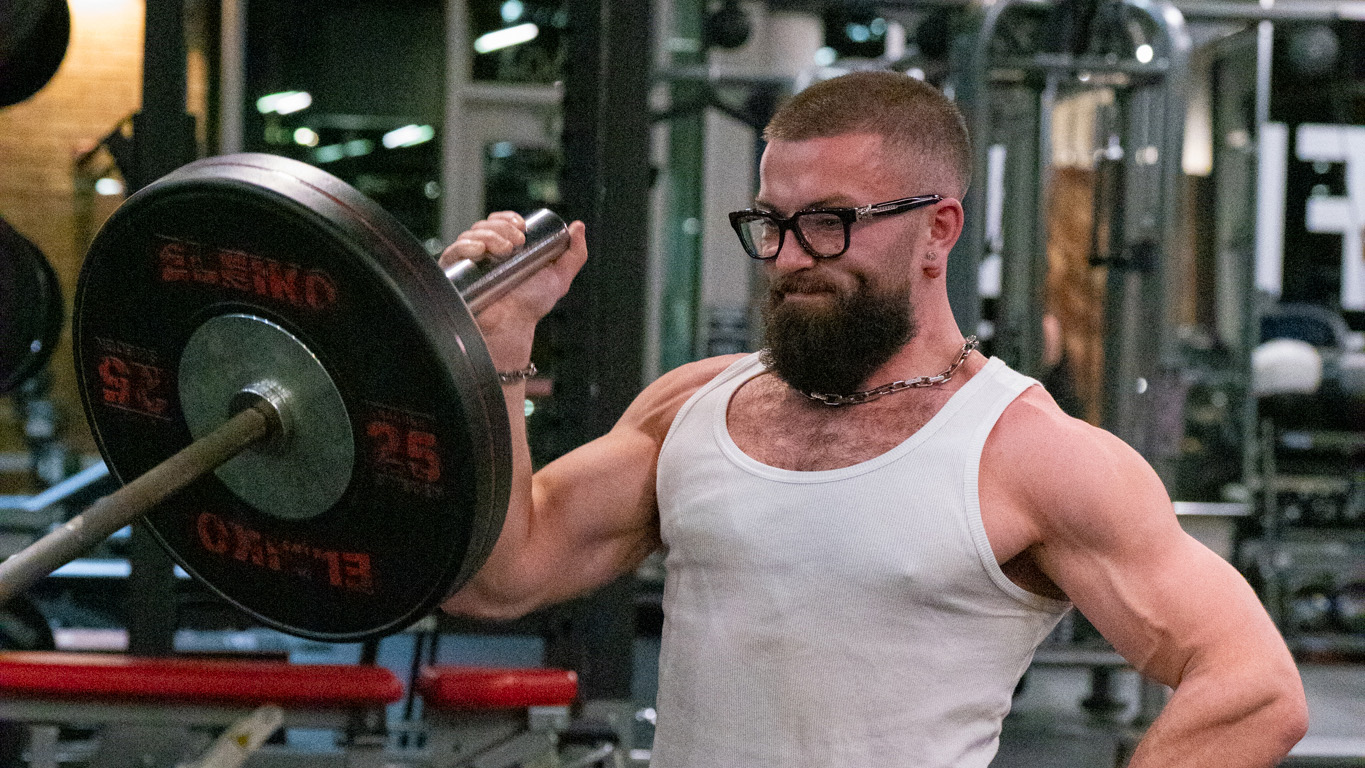
Strength Training for Beginners: Where to Actually Start
You don't need a complicated program to start strength training — here's the five movement patterns that matter, how often to train, the mistakes that slow most beginners down, and when it's worth hiring a coach.
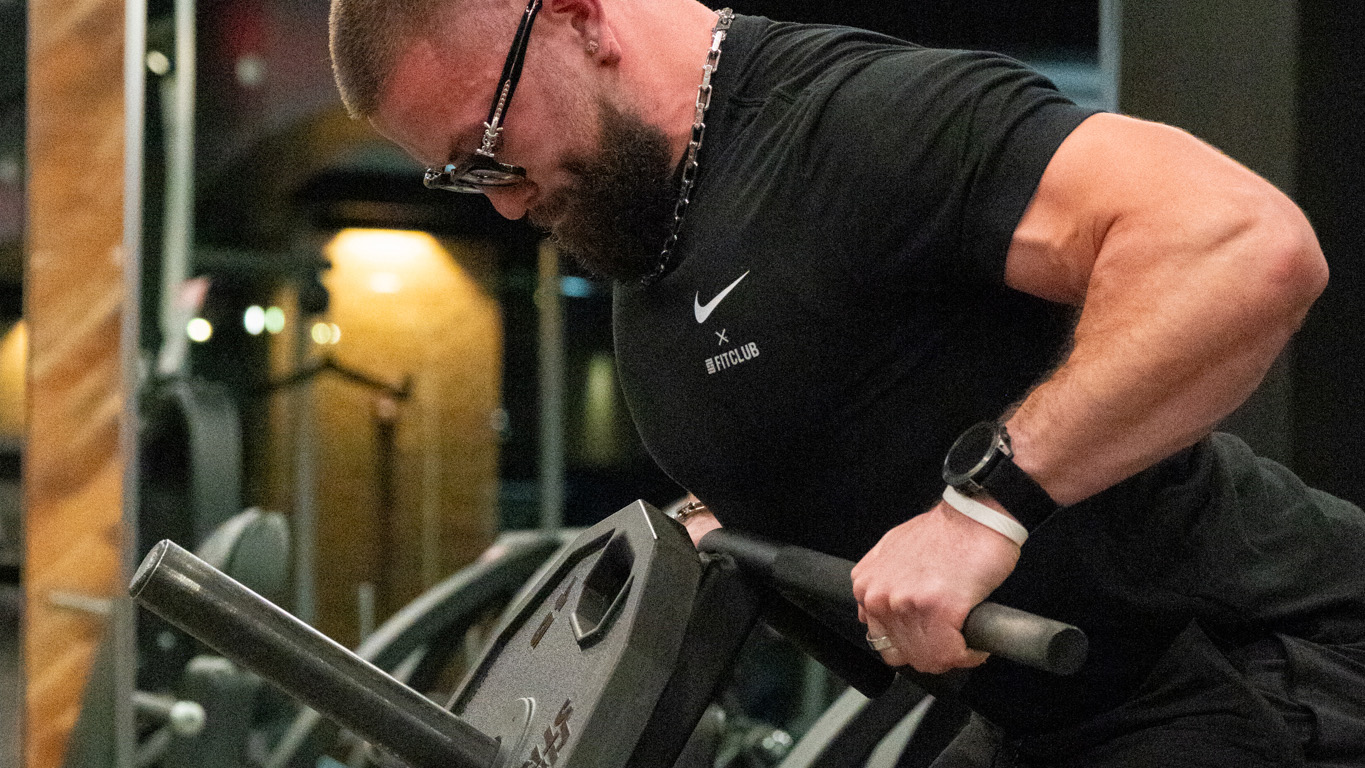
How to Choose a Personal Trainer (And What to Watch Out For)
Hiring a personal trainer is a real investment — here's how to evaluate one properly, including the red flags most people miss and the questions worth asking before you commit.
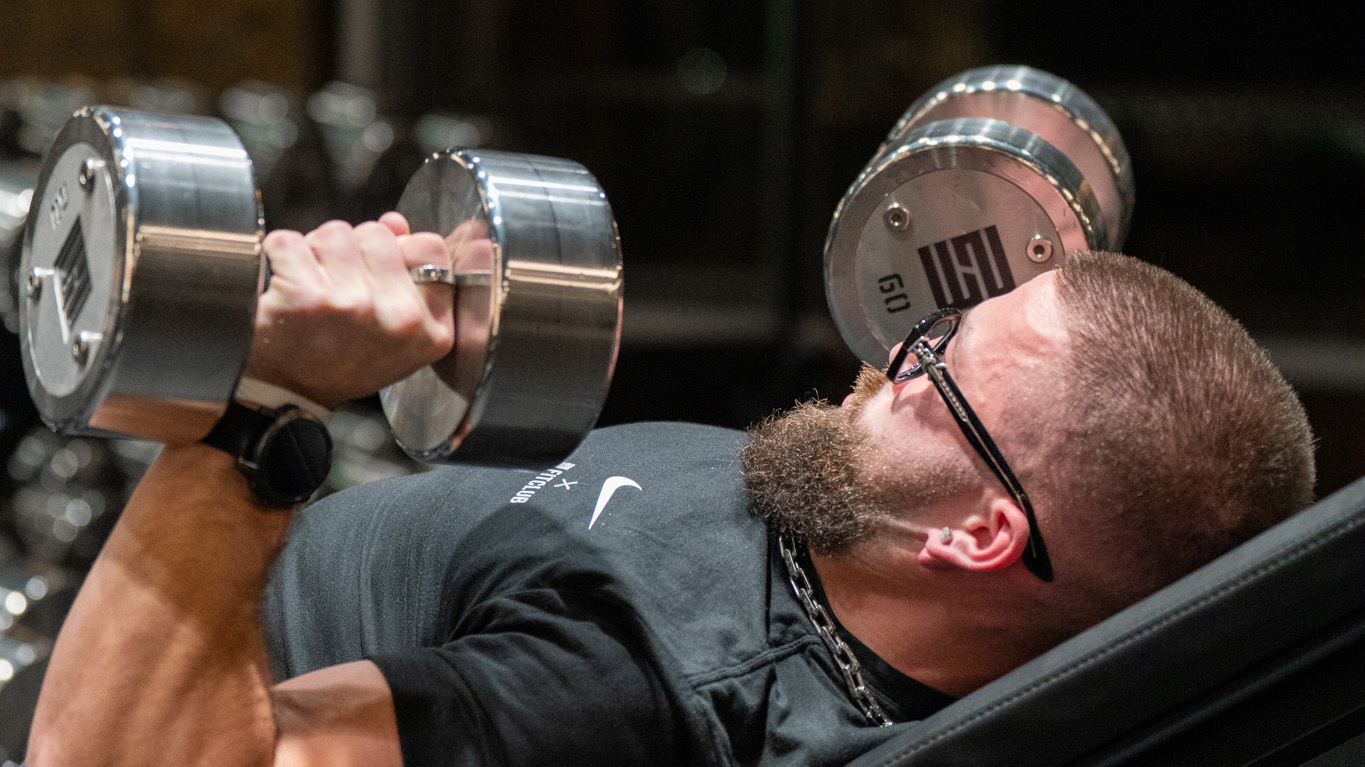
In-Home Personal Training in Bellevue: What to Expect
In-home personal training brings expert coaching to your door — here's what a session actually looks like, what equipment you need, and who it's the right fit for across Bellevue and the Eastside.

What Does Online Personal Training Actually Look Like?
Online personal training is more hands-on than most people expect — here's exactly what the process looks like, from the first intake conversation to how your program evolves over time.

5 Things I Wish I Knew Before I Started Working Out
Starting your fitness journey can feel exciting and overwhelming all at once. Looking back, there are a few lessons I wish I had learned sooner—lessons that would’ve saved time, frustration, and helped me progress faster. Here are five key things I now know that can make a big difference for beginners and even seasoned lifters.

Why Processed Foods Are Slowly Poisoning You – And Why You Should Stay Away from Them
Processed foods are everywhere: pre-packaged meals, sugary snacks, fast food, and ready-to-eat options that promise to save you time and effort. However, while they might be convenient, they’re doing more harm than good to your body – and over time, this damage can compound, leading to chronic health problems and a decrease in overall well-being.

Why What You Eat Matters: A Guide to Nourishing Your Body and Mind
As a personal trainer, I often get asked about the best exercises, the fastest ways to build strength, or the secret to getting fit. While exercise is undeniably important for achieving fitness goals, what we eat plays an equally, if not more, pivotal role.

Why Strength Training?
Strength training is essential for building muscle, boosting metabolism, and improving bone health for individuals. It enhances functional fitness, mental well-being, and reduces the risk of chronic diseases, making it a cornerstone of a balanced fitness routine.

The Importance of Endurance Training
Endurance training enhances your stamina, improves heart health, and supports weight management while boosting mental clarity. Learn how incorporating this vital fitness component into your routine can transform your health and performance.

Find Your Alignment with Jeremy Svik Fit
Discover a personalized approach to fitness that combines tailored workouts, practical nutrition guidance, and science-backed habits. Build strength, confidence, and sustainable routines with a program designed to align your mind, body, and goals.