What Does Online Personal Training Actually Look Like?

Most people picture a PDF workout plan and a "good luck" text message. That's not what this is.
To be fair, the skepticism is reasonable. Bad online coaching exists — you've probably seen it. Someone sells you a $30 program, sends you a 12-week template designed for no one in particular, and disappears until it's time to upsell you the next one. That version of "online coaching" is everywhere, and it's earned the reputation it has.
But that's not what we're talking about here. What follows is what online personal training actually looks like when it's done right — the intake process, what a typical week involves, how programming changes over time, and whether it's the right fit for where you are right now.
Week 1 — The Deep Dive
The first thing that surprises most new clients is how much goes into the initial assessment. Before a single workout is written, we cover everything: your training history, current schedule, what equipment you have access to, any injuries or movement limitations, your nutrition habits, your goals, and — just as importantly — what hasn't worked before and why.
You'd be surprised how much detail goes into that first conversation. It's not a quick intake form; it's the foundation everything else gets built on. From there, I put together your first program block from scratch. Not pulled from a library of templates, not recycled from another client's plan — built specifically for you, your equipment, your schedule, and where you're starting from.
There's also an initial check-in call or video to align on expectations: how we'll communicate, what you can expect from me week to week, and what I'll need from you to make this work.
What a Typical Week Looks Like
Once we're up and running, your program is delivered digitally — you log your sets, reps, and RPE (how hard each set felt) after each session. You train on your schedule — I'm not setting appointment times for you. That flexibility is one of the reasons online coaching works well for busy professionals.
During the week, you'll record at least one key lift — a squat, a deadlift, a press — and send it over for a form review. I watch it, give you specific feedback on what to adjust, and that clip becomes part of your training record. Over time, we can both see the progression.
At the end of each week, there's a check-in: how the training felt, what was hard, what felt too easy, anything going on outside the gym that's affecting your energy or recovery. I read every one of these and adjust the following week accordingly. If you had a brutal week at work and you're running on four hours of sleep, that matters. Your program should reflect reality, not an ideal version of your week that doesn't exist.
Nutrition is woven into this as well — not a separate meal plan you're supposed to follow perfectly, but an ongoing conversation about food habits, what's actually sustainable, and how to fuel your training without making it more complicated than it needs to be.
This is the part that separates coaching from a PDF. The communication isn't a formality — it's the mechanism that makes the programming work.
How the Program Evolves
This isn't a fixed 12-week program. Your program is a living document that adjusts based on how you're responding to training, what's happening in your life, and what the data is showing.
If you're recovering well and adding weight consistently, we push. If a travel week is coming up, we adapt the program for hotel gym equipment or bodyweight work. If something's bothering your shoulder, we work around it and address it. The program isn't running on a timer — it's tracking your actual progress.
Progressive overload is tracked and planned, not guessed. You're not just "trying to add weight each week" without context — we're monitoring the trend over time and making intentional decisions about when to push load, when to increase volume, and when to back off and let adaptation catch up.
Your program also has phases, and each one builds on the last. Think of it as periodization simplified: we're not just doing the same workout indefinitely. There's a logic to the structure, and it's mapped to where you're trying to go.
Who Online Coaching Is Actually For
Online coaching works best for people who already have some training base and are ready to stop guessing at their programming.
The clearest fits:
Busy professionals who can't commit to fixed session times. If your schedule doesn't allow for consistent weekly appointments but you're motivated to train on your own, online coaching gives you expert programming and accountability without the scheduling constraint.
Intermediate lifters who've plateaued. You've been training for a while. You know how to work hard. But you've hit a ceiling doing your own programming and you're not sure what to change. This is exactly where a coach adds the most value — not teaching you basics, but designing the next phase intelligently.
People outside the Seattle area who want quality coaching but don't have access to it locally. My online coaching is available nationwide. If you're in a city without a trainer you trust, or you've outgrown what's available to you locally, this is the option.
Anyone who's self-motivated but needs structure and accountability. The motivation to train isn't the problem — the structure and the system are. If you show up consistently when you have a plan, coaching gives you that plan and someone tracking your progress.
One note: if you're brand new to the gym and have never touched a barbell, in-person training is usually the better starting point. Online coaching shines when the foundation is already there and the gap is programming quality and accountability, not learning movement from scratch. If you're still weighing whether strength training is right for you at all, this post is a good place to start.
Is Online Coaching Worth It?
Pricing ranges from $325–$800/month depending on the plan — you can see the full breakdown on the coaching programs page.
The honest framing: you're not paying for access to a workout database. You're paying for a coach who knows your history, tracks your progress, adjusts your program weekly based on real feedback, and is actually available when something comes up. That's a different thing than a subscription to a fitness app, and it produces different results.
For comparison: a monthly gym membership plus a random program you found online plus zero accountability is, in most cases, more expensive in wasted time and stalled progress than coaching — it just doesn't feel that way because the cost is spread across months of spinning in place.
For people who are serious about their training and want to stop figuring it out on their own, the investment tends to pay for itself quickly.
If you've been thinking about it, the coaching assessment is the place to start. It's free, it takes five minutes, and there's no commitment — it just gives us both a starting point.
More posts

Wedding Fitness: How to Get in Shape for Your Big Day
A realistic guide to wedding fitness — how much time you actually need, why strength training beats crash dieting, and what a four-month plan looks like when you want to feel your best on the day.

Boxing for Fitness: Why More People Are Training Like Fighters
Boxing isn't just for fighters — it builds full-body conditioning, coordination, and confidence in a way traditional cardio never will. Here's what boxing for fitness actually involves, who it's for, and what a session looks like in Bellevue.
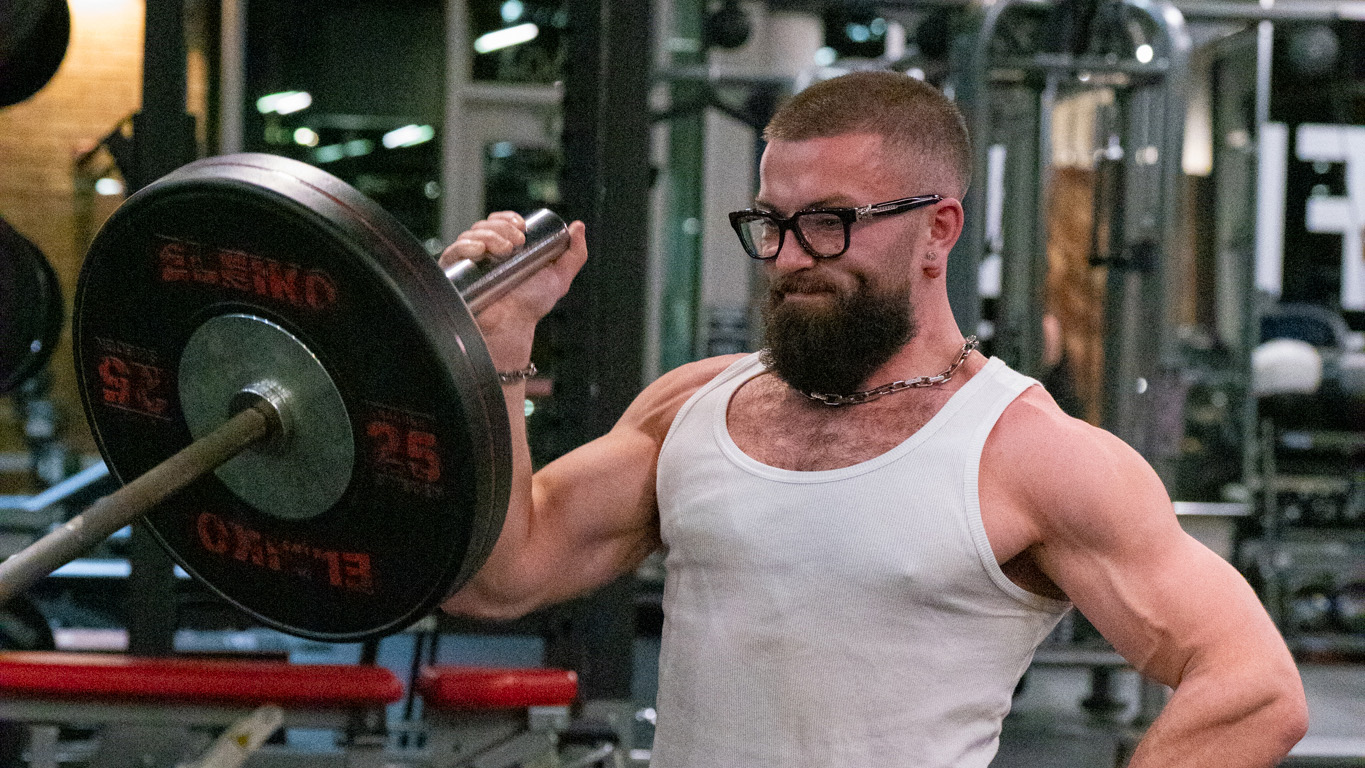
Strength Training for Beginners: Where to Actually Start
You don't need a complicated program to start strength training — here's the five movement patterns that matter, how often to train, the mistakes that slow most beginners down, and when it's worth hiring a coach.
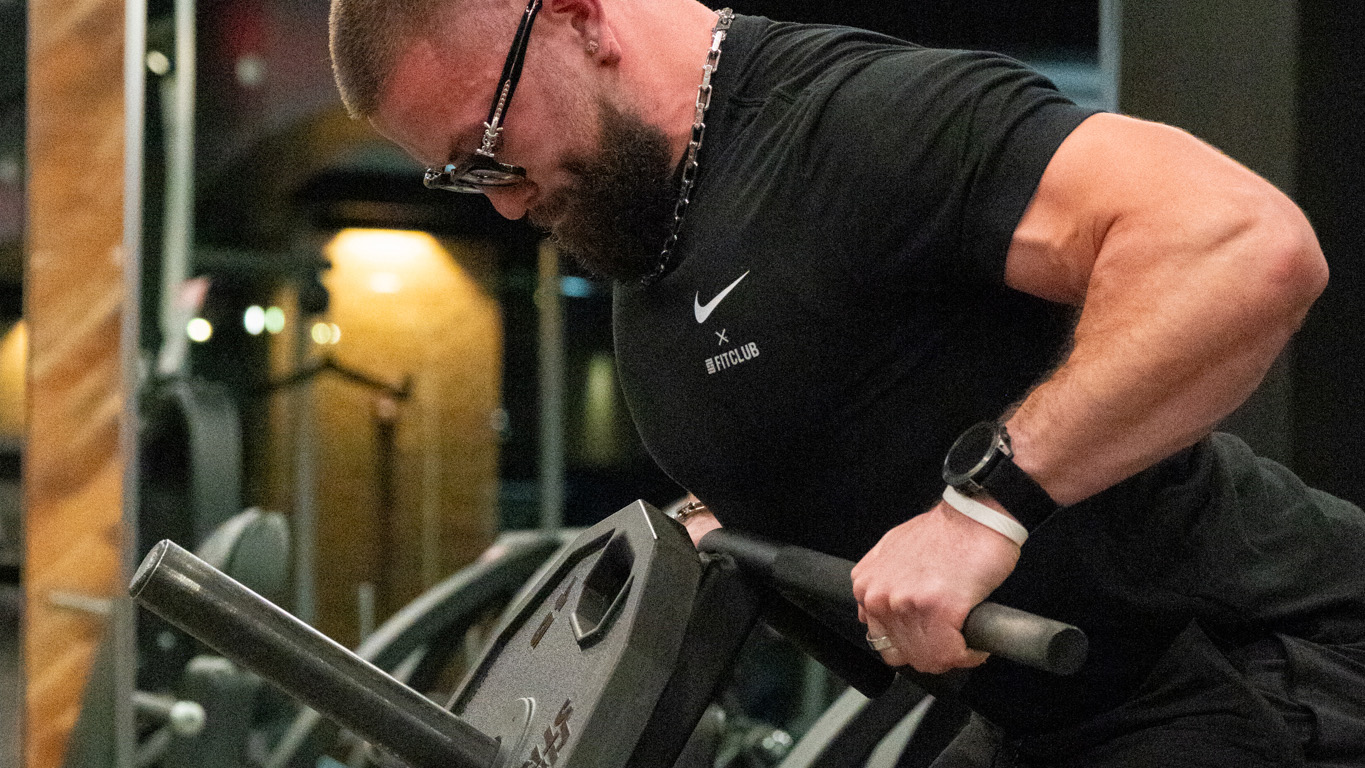
How to Choose a Personal Trainer (And What to Watch Out For)
Hiring a personal trainer is a real investment — here's how to evaluate one properly, including the red flags most people miss and the questions worth asking before you commit.
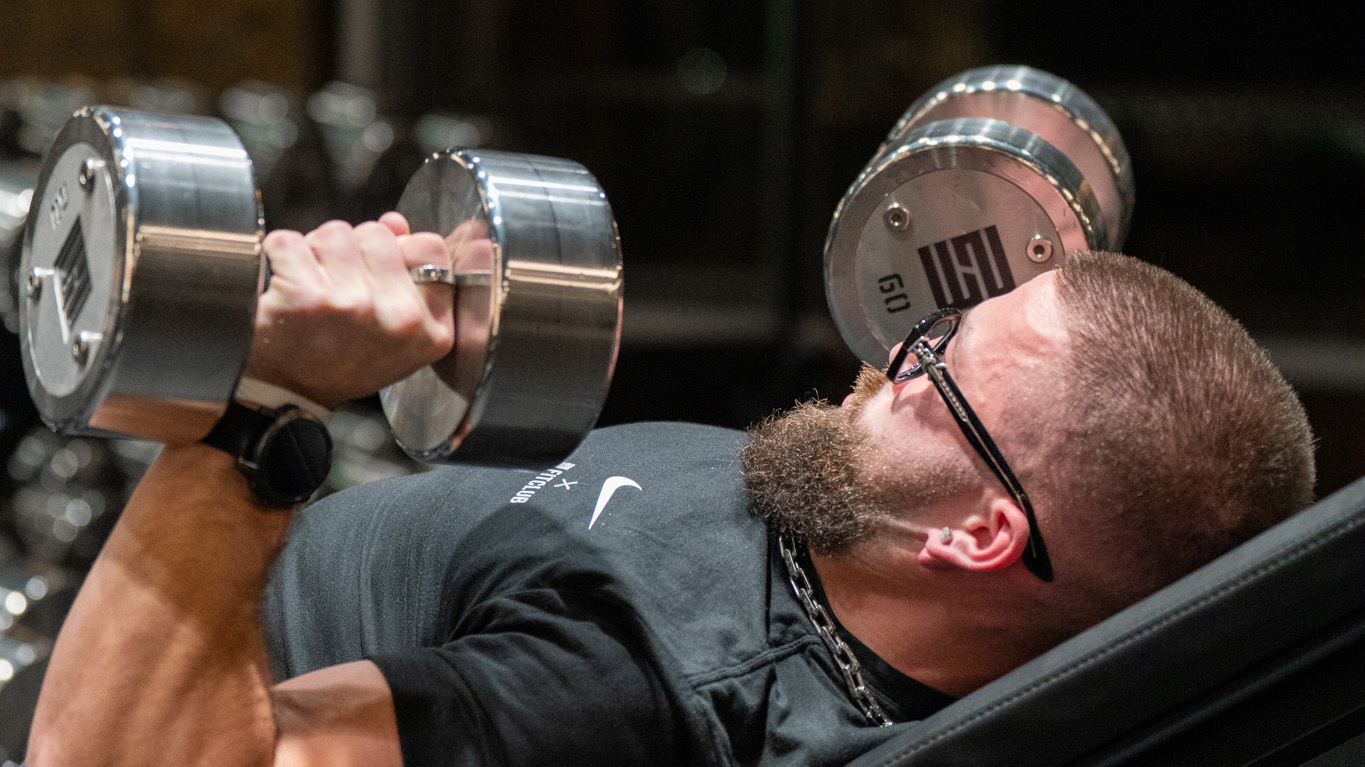
In-Home Personal Training in Bellevue: What to Expect
In-home personal training brings expert coaching to your door — here's what a session actually looks like, what equipment you need, and who it's the right fit for across Bellevue and the Eastside.

5 Things I Wish I Knew Before I Started Working Out
Starting your fitness journey can feel exciting and overwhelming all at once. Looking back, there are a few lessons I wish I had learned sooner—lessons that would’ve saved time, frustration, and helped me progress faster. Here are five key things I now know that can make a big difference for beginners and even seasoned lifters.

Why Processed Foods Are Slowly Poisoning You – And Why You Should Stay Away from Them
Processed foods are everywhere: pre-packaged meals, sugary snacks, fast food, and ready-to-eat options that promise to save you time and effort. However, while they might be convenient, they’re doing more harm than good to your body – and over time, this damage can compound, leading to chronic health problems and a decrease in overall well-being.

Why What You Eat Matters: A Guide to Nourishing Your Body and Mind
As a personal trainer, I often get asked about the best exercises, the fastest ways to build strength, or the secret to getting fit. While exercise is undeniably important for achieving fitness goals, what we eat plays an equally, if not more, pivotal role.

Why Strength Training?
Strength training is essential for building muscle, boosting metabolism, and improving bone health for individuals. It enhances functional fitness, mental well-being, and reduces the risk of chronic diseases, making it a cornerstone of a balanced fitness routine.

The Importance of Endurance Training
Endurance training enhances your stamina, improves heart health, and supports weight management while boosting mental clarity. Learn how incorporating this vital fitness component into your routine can transform your health and performance.

Find Your Alignment with Jeremy Svik Fit
Discover a personalized approach to fitness that combines tailored workouts, practical nutrition guidance, and science-backed habits. Build strength, confidence, and sustainable routines with a program designed to align your mind, body, and goals.