Wedding Fitness: How to Get in Shape for Your Big Day

You've got a date on the calendar and you want to feel your best when it arrives. That's one of the most common reasons people start working with me — brides and grooms a few months out from the wedding, but also milestone birthdays, reunions, big trips. Some kind of moment that turns "I should probably train more" into "I'm doing this."
The good news: you don't need a year. Four to six months of consistent, intelligent training can make a real difference in how you look, move, and feel. The key is having a plan, not a crash diet. Here's how to think about it.
A Realistic Timeline
How much time you have shapes the kind of plan that makes sense. There's no single answer, but here's how I think about it depending on the runway:
Six or more months out. Ideal. You have time for a full progression — building a base, increasing intensity, then peaking close to the date. Body composition changes happen gradually, your training adapts to your life, and there's room for the inevitable busy weeks.
Three to four months out. Very doable. This is the most common timeline I see, and it's enough time for visible, meaningful change if the training is consistent. You'll need to be a little more focused — fewer missed sessions, more attention to recovery and nutrition — but you can absolutely get there.
One to two months out. Focus shifts. You're not going to dramatically transform your body in six weeks, and trying to will usually backfire. What you can do is feel stronger, move better, and build habits that carry past the wedding. That's a more useful goal anyway.
The timeline matters less than the consistency. Four months of showing up beats eight months of starting and stopping every other week.
Strength Training Over Crash Dieting
The instinct, especially as the date gets closer, is to eat less and do more cardio. Both of those things, taken too far, will work against you.
Aggressive caloric restriction strips muscle along with fat. You end up smaller but softer — less definition, less energy, worse posture. By the time the day arrives you're depleted, your sleep is wrecked, and you don't feel like yourself.
Strength training does the opposite. It builds shape, improves posture, and gives you the kind of energy that holds up through a long day of photos, ceremony, and reception. Paired with sustainable nutrition — eating enough to support your training, prioritizing protein, not cutting whole food groups — you arrive at the wedding feeling strong rather than drained.
This is the part most online "wedding workout plans" get wrong. They focus on the wrong thing entirely. The goal isn't to look smaller. It's to look like the strongest, most confident version of yourself.
What the Training Looks Like
For most clients on a wedding timeline, the program structure is straightforward:
- Strength training, three days per week. Full-body sessions built around the major movement patterns — squat, hinge, push, pull, carry. Progressive programming that builds toward a peak close to the date. If you're newer to lifting, here's where to start with strength training.
- Conditioning, one to two days per week. Not punishment cardio. Smart conditioning that builds your engine without leaving you so beat up you can't recover for the next strength session.
- Nutrition coaching alongside the training. Not a meal plan you'll abandon in two weeks — ongoing conversation about how to eat in a way that supports the work, fits your life, and doesn't make wedding planning more stressful than it already is.
- Recovery built in. Sleep, mobility, stress management. Wedding planning is a workout of its own. The training should be a release valve, not another thing on the list.
Sessions can happen at the gym, online with programming I write for you, or in-home around the Eastside — whatever fits the schedule and the chaos of the months leading up to the day.
A Client's Story
Sydni came to me with about four months until her wedding. She wasn't sure if that was enough time to make a real difference. We built her a plan focused on strength, sustainable nutrition, and consistency through what we both knew was going to be a stressful stretch.
By the day, she told me she felt the best she had in years — strong, confident, and present rather than depleted. The part I find most telling: she's still training with me now, post-wedding. The wedding was the reason she started, but the training stuck because the work itself made her feel good. That's usually how it goes when the plan is built right.
I see the same thing on the groom side, just with different goals. Most of the guys want to feel sharp in the suit, have the energy to make it through a long day of photos and a late reception, and not feel gassed on the dance floor. The training looks similar — strength work, smart conditioning, a nutrition plan they can actually live with — and the result is the same: showing up to the day feeling like the best version of yourself, not a depleted one.
Start When You Can
If your wedding is on the calendar — whether that's three months out or nine — the best time to start is the same: now. Not because of urgency, but because consistent weeks add up, and the earlier you begin, the more options you have.
The coaching assessment is the place to start. It takes about five minutes, there's no commitment, and it gives me what I need to put together a realistic plan based on your timeline, your goals, and your starting point.
More posts

Boxing for Fitness: Why More People Are Training Like Fighters
Boxing isn't just for fighters — it builds full-body conditioning, coordination, and confidence in a way traditional cardio never will. Here's what boxing for fitness actually involves, who it's for, and what a session looks like in Bellevue.
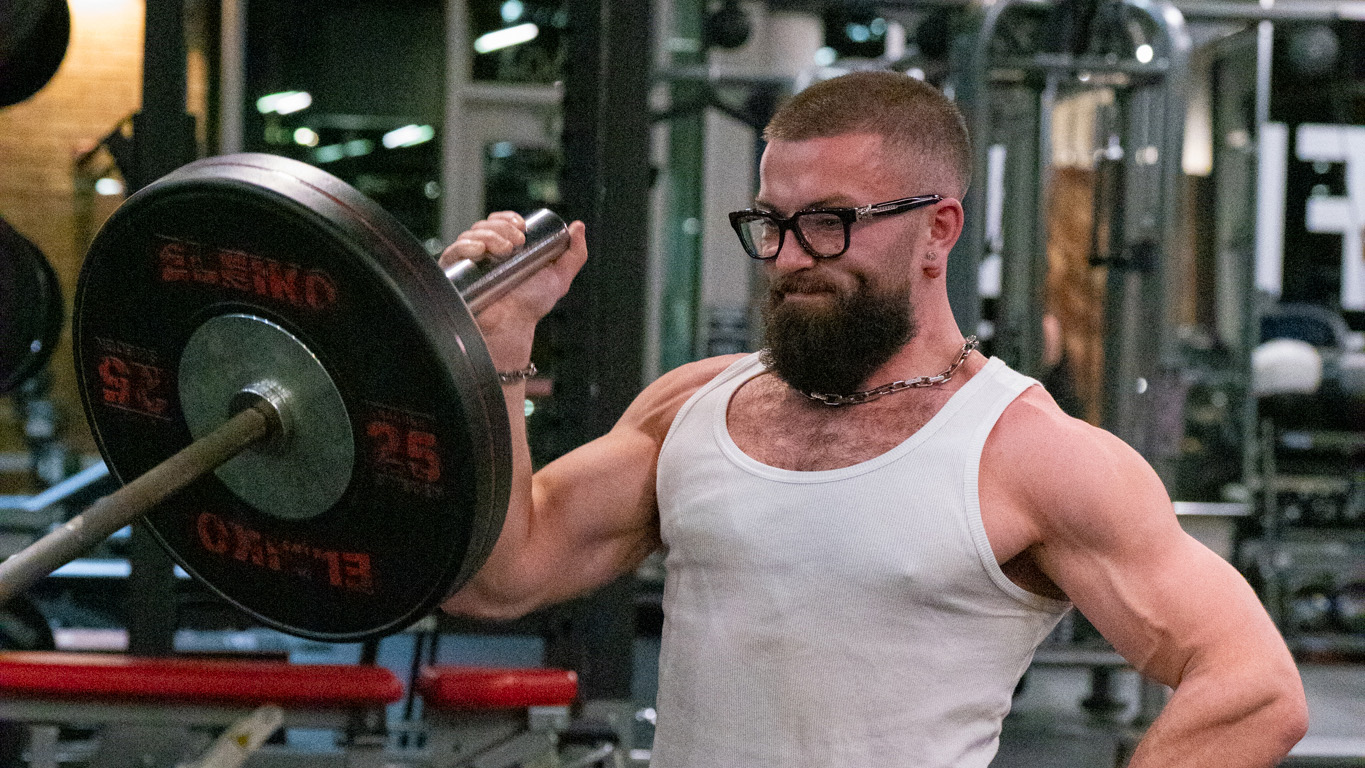
Strength Training for Beginners: Where to Actually Start
You don't need a complicated program to start strength training — here's the five movement patterns that matter, how often to train, the mistakes that slow most beginners down, and when it's worth hiring a coach.
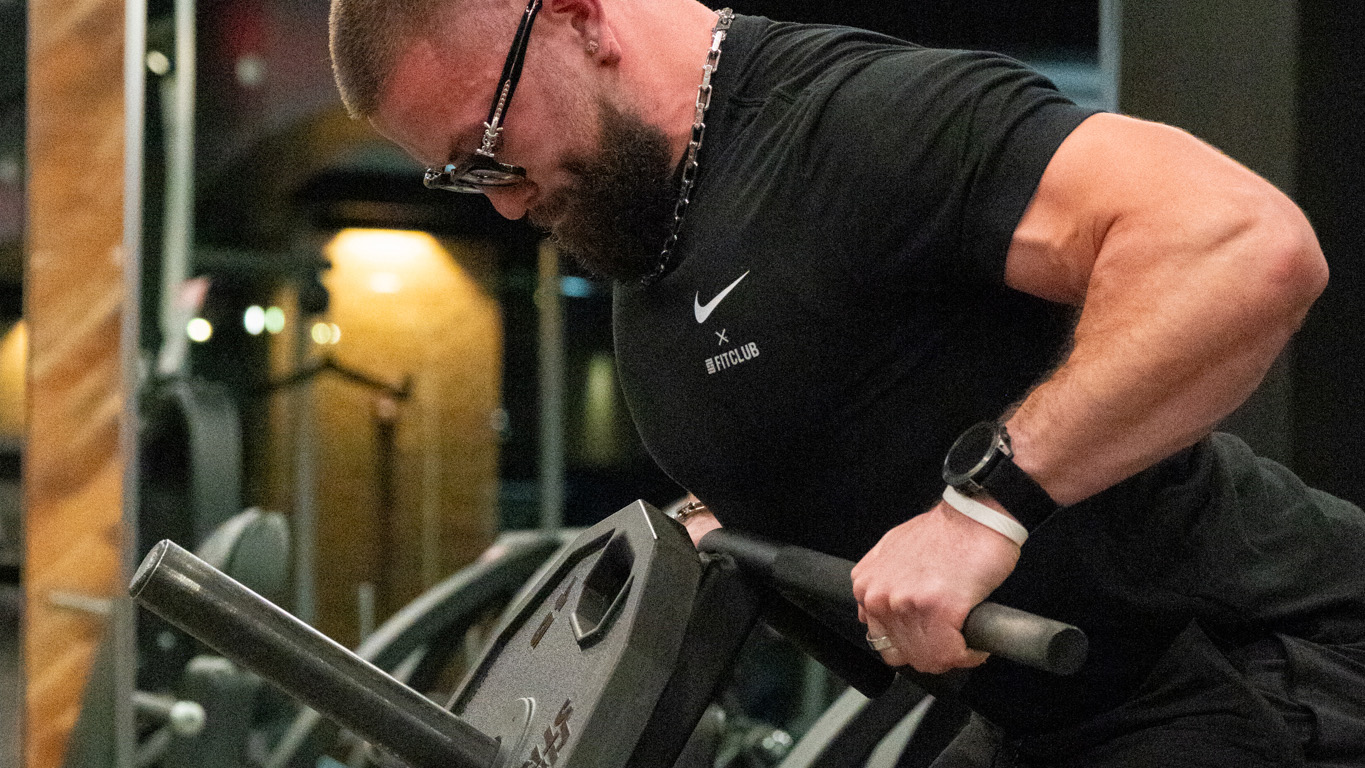
How to Choose a Personal Trainer (And What to Watch Out For)
Hiring a personal trainer is a real investment — here's how to evaluate one properly, including the red flags most people miss and the questions worth asking before you commit.
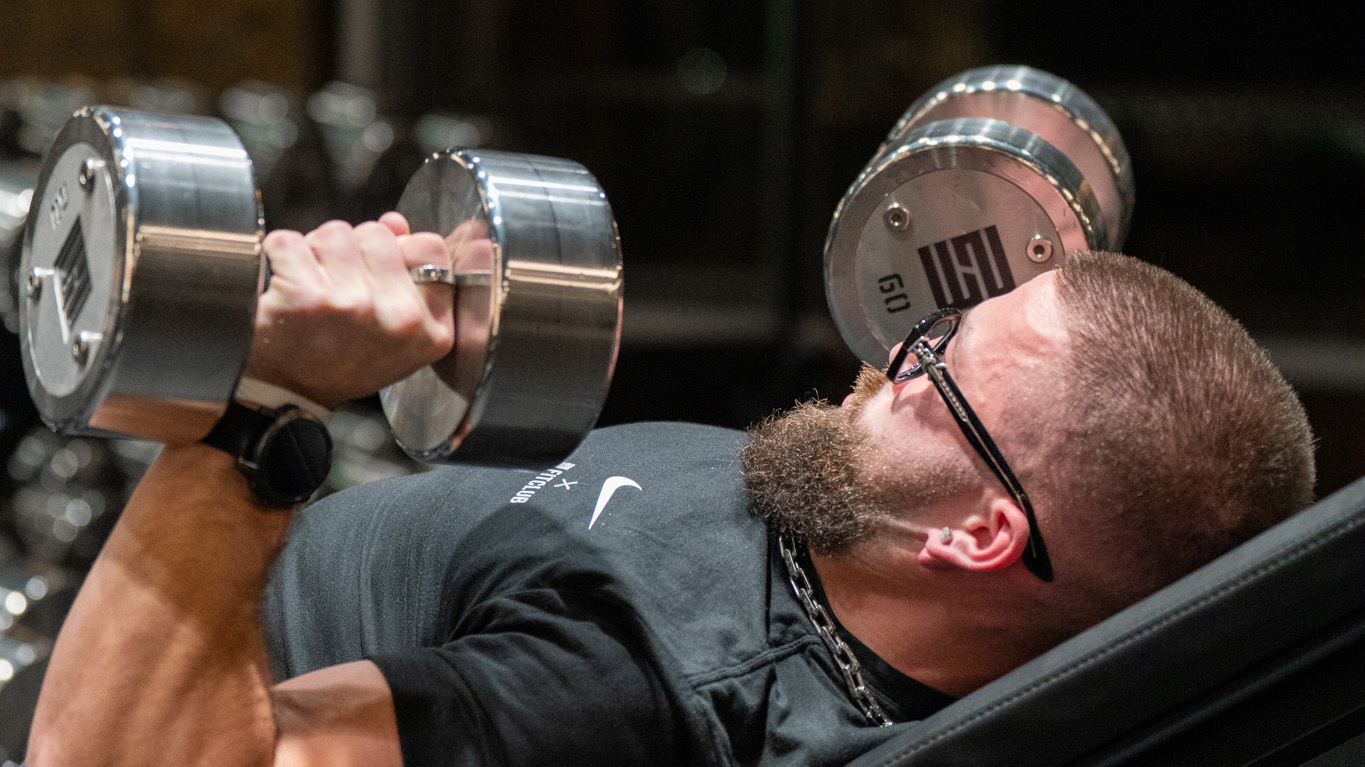
In-Home Personal Training in Bellevue: What to Expect
In-home personal training brings expert coaching to your door — here's what a session actually looks like, what equipment you need, and who it's the right fit for across Bellevue and the Eastside.

What Does Online Personal Training Actually Look Like?
Online personal training is more hands-on than most people expect — here's exactly what the process looks like, from the first intake conversation to how your program evolves over time.

5 Things I Wish I Knew Before I Started Working Out
Starting your fitness journey can feel exciting and overwhelming all at once. Looking back, there are a few lessons I wish I had learned sooner—lessons that would’ve saved time, frustration, and helped me progress faster. Here are five key things I now know that can make a big difference for beginners and even seasoned lifters.

Why Processed Foods Are Slowly Poisoning You – And Why You Should Stay Away from Them
Processed foods are everywhere: pre-packaged meals, sugary snacks, fast food, and ready-to-eat options that promise to save you time and effort. However, while they might be convenient, they’re doing more harm than good to your body – and over time, this damage can compound, leading to chronic health problems and a decrease in overall well-being.

Why What You Eat Matters: A Guide to Nourishing Your Body and Mind
As a personal trainer, I often get asked about the best exercises, the fastest ways to build strength, or the secret to getting fit. While exercise is undeniably important for achieving fitness goals, what we eat plays an equally, if not more, pivotal role.

Why Strength Training?
Strength training is essential for building muscle, boosting metabolism, and improving bone health for individuals. It enhances functional fitness, mental well-being, and reduces the risk of chronic diseases, making it a cornerstone of a balanced fitness routine.

The Importance of Endurance Training
Endurance training enhances your stamina, improves heart health, and supports weight management while boosting mental clarity. Learn how incorporating this vital fitness component into your routine can transform your health and performance.

Find Your Alignment with Jeremy Svik Fit
Discover a personalized approach to fitness that combines tailored workouts, practical nutrition guidance, and science-backed habits. Build strength, confidence, and sustainable routines with a program designed to align your mind, body, and goals.